
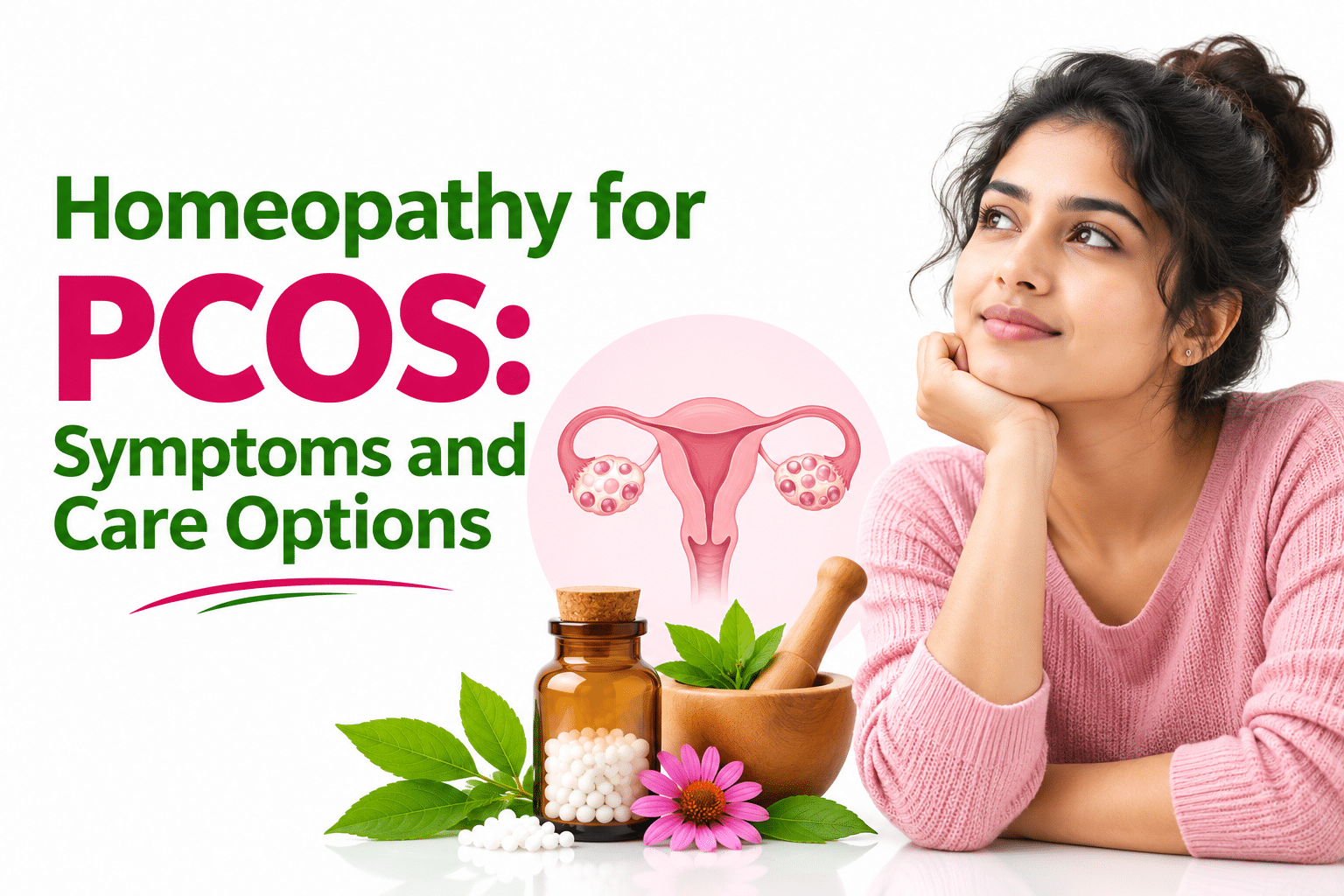
Homeopathy for PCOS: Symptoms and Care Options
Polycystic Ovary Syndrome (PCOS) is a common hormonal condition affecting women during their reproductive years. It can influence menstrual cycles, hormone levels, metabolism, skin health, and fertility. Women experiencing PCOS may notice irregular periods, acne, unwanted facial hair, weight changes, and difficulty conceiving. Understanding the condition and seeking appropriate medical guidance are important steps towards better reproductive health. Many women explore different approaches to managing PCOS symptoms, including lifestyle changes and complementary healthcare options.
What Is PCOS?
PCOS is a hormonal and metabolic condition associated with irregular ovulation, increased androgen levels, and sometimes multiple small follicles in the ovaries. Despite its name, ovarian cysts are not necessary for a PCOS diagnosis.
The condition affects women differently. Some experience mild symptoms, while others face several challenges involving menstrual health, weight management, and fertility. Early diagnosis can help prevent complications and support long-term wellbeing.
Common Symptoms of PCOS in Women
Recognising PCOS symptoms early can help women seek timely medical advice. Common signs include:
- Irregular Periods: Menstrual cycles may become unpredictable, with missed or infrequent periods.
- Acne and Oily Skin: Hormonal changes can increase oil production and contribute to persistent breakouts.
- Excess Facial Hair: Increased androgen levels may cause unwanted hair growth on the chin, upper lip, and other areas.
- Weight Gain: Some women experience weight changes, particularly around the abdomen.
- Hair Thinning: Hormonal imbalances may contribute to thinning scalp hair.
- Fertility Challenges: Irregular ovulation can make conception difficult for some women.
Not every woman experiences all these symptoms. A healthcare professional can evaluate individual concerns and recommend suitable investigations.
What Causes PCOS?
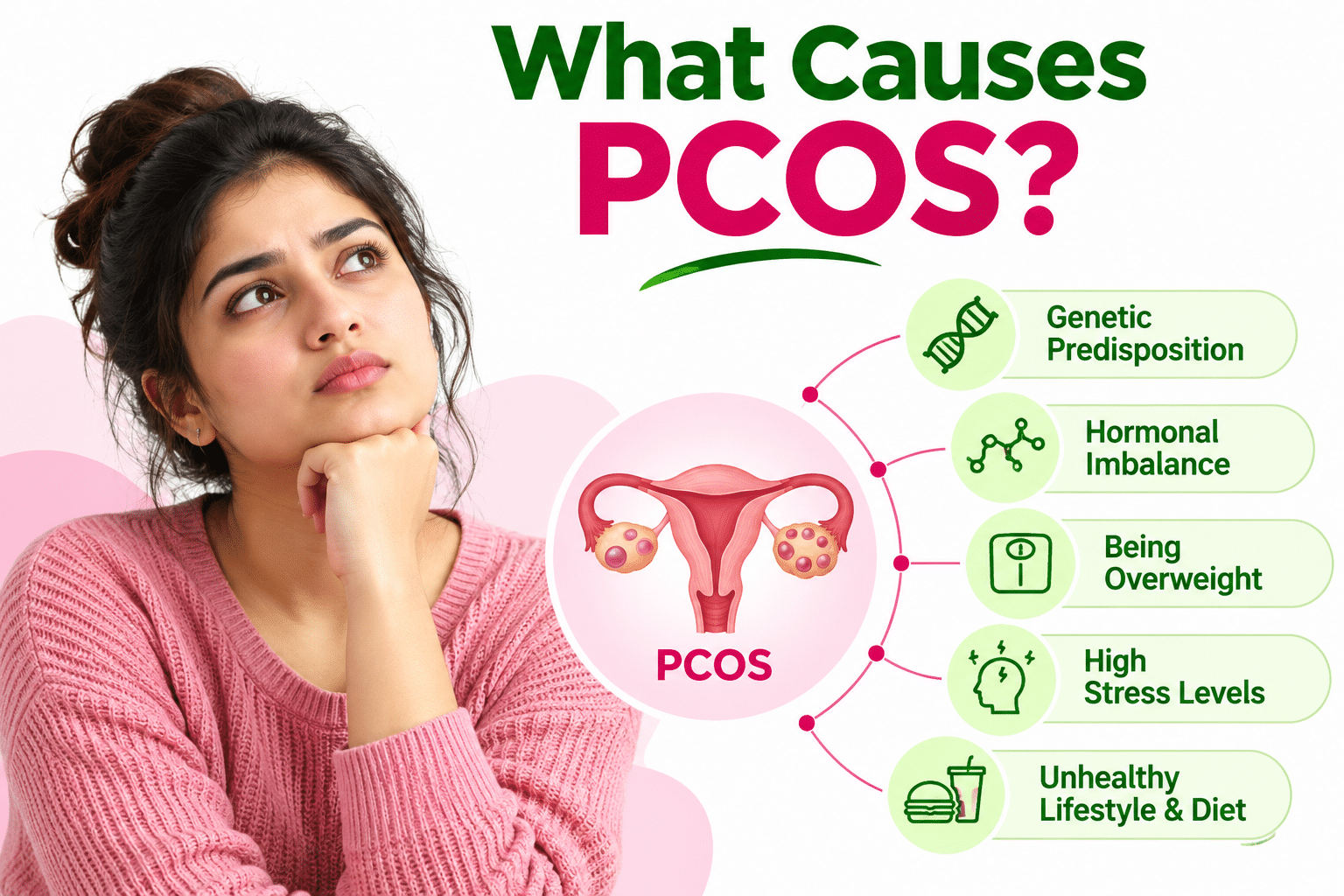 The exact cause of PCOS is not fully understood. However, several factors may contribute to its development.
Insulin Resistance: Some women with PCOS have insulin resistance, meaning their bodies do not respond effectively to insulin. This may increase insulin levels and influence androgen production.
Hormonal Imbalance: Higher androgen levels can interfere with normal ovulation and contribute to acne and unwanted hair growth.
Genetic Factors: Women with a family history of PCOS may have a higher likelihood of developing the condition.
Lifestyle Factors: Physical inactivity, poor dietary habits, and weight-related concerns can influence metabolic health and symptom severity.
Homeopathy for PCOS: Understanding the Treatment Approach
Women searching for homeopathy for PCOS often want to understand complementary approaches to managing their health concerns. Homeopathy involves individualised consultations that consider a person’s symptoms, medical history, and overall health.
However, there is currently insufficient reliable scientific evidence that homeopathy effectively treats PCOS, restores ovulation, balances hormones, or improves fertility. It should not replace established medical treatment.
Women considering complementary care should discuss it with qualified healthcare professionals and avoid stopping prescribed medication without medical advice.
Lifestyle Changes That Support PCOS Management
Healthy daily habits play an important role in managing PCOS and improving overall metabolic health.
1. Follow a Balanced Diet
Include vegetables, fruits, whole grains, pulses, lean proteins, and healthy fats. Reduce excessive sugary drinks and highly processed foods.
2. Exercise Regularly
Walking, cycling, swimming, and strength training can improve insulin sensitivity and support weight management. Choose activities that suit your fitness level.
3. Maintain Healthy Sleep Habits
Aim for consistent sleep schedules and sufficient rest. Good sleep supports energy levels and overall metabolic wellbeing.
4. Manage Stress
Relaxation techniques, meditation, breathing exercises, and enjoyable activities may help manage everyday stress.
5. Monitor Menstrual Health
Track menstrual cycles and discuss prolonged gaps between periods with a gynaecologist. Long periods without menstruation may require medical attention to protect uterine health.
Medical Tests and Diagnosis for PCOS
PCOS diagnosis generally involves reviewing symptoms, medical history, physical examination, and appropriate investigations.
Doctors may recommend:
- Hormone blood tests.
- Blood glucose and cholesterol assessments.
- Thyroid and other tests to exclude similar conditions.
- Pelvic ultrasound when clinically appropriate.
Treatment depends on individual symptoms and health goals. Evidence-based options may include hormonal contraceptives, medications for metabolic concerns, and fertility treatments when required.
When Should You Consult a Doctor?
Women experiencing persistent irregular periods, excessive facial hair, severe acne, unexplained weight changes, or difficulty conceiving should seek professional evaluation.
Women looking for the best Homeopathy in Hyderabad should also check practitioner qualifications, treatment transparency, and whether appropriate medical referrals are provided.
A consultation at Dr. Anki Reddy’s Homeopathy can help women discuss their health concerns and understand the available complementary care options. For PCOS, coordination with a qualified gynaecologist or endocrinologist remains essential.
Conclusion
PCOS is a manageable long-term health condition when diagnosed early and addressed through appropriate medical care. Understanding symptoms, following healthy lifestyle habits, and attending regular check-ups can support better reproductive and metabolic health. Women exploring Homeopathy Treatment in Hyderabad should make informed decisions and remember that complementary approaches must never replace evidence-based PCOS treatment. With the right medical guidance and consistent self-care, women can take positive steps towards improved wellbeing and a healthier future.



There are no comments