

Asthma Control Plans Using Homeopathy!
Understanding Asthma and Its Symptoms
Asthma is a chronic respiratory condition that affects the airways in the lungs. These airways can become inflamed, narrow, and produce extra mucus, making breathing difficult. People with asthma may experience wheezing, coughing, chest tightness, and shortness of breath. Symptoms can vary from mild to severe and may become worse at night, during exercise, or after exposure to allergens.
Living with asthma can affect daily activities, sleep, and overall comfort. However, with proper medical guidance, regular monitoring, and a suitable asthma action plan, many people can manage their symptoms and enjoy a better quality of life.
Common Causes and Triggers of Asthma
Asthma does not have one single cause. Genetic factors, environmental conditions, allergies, and respiratory infections may contribute to its development. Identifying personal triggers is an important step in managing the condition.
Common asthma triggers include:
- Dust, pollen, and pet dander.
- Smoke, air pollution, and strong fragrances.
- Cold air and sudden weather changes.
- Exercise and respiratory infections.
- Mold and other indoor allergens.
- Stress and certain workplace irritants.
Keeping a record of symptoms and possible triggers can help patients understand what makes their asthma worse. Avoiding known triggers, when possible, may reduce exposure and support an effective management plan.
What Is an Asthma Control Plan?
An asthma control plan is a personalized guide developed with a qualified healthcare professional. It explains how to manage asthma every day, recognize worsening symptoms, and respond to an emergency.
A useful plan generally includes prescribed medicines, instructions for using inhalers, information about personal triggers, and steps to follow when symptoms change. Patients should understand the difference between daily controller medicines and quick-relief medicines prescribed for sudden symptoms.
Regular medical reviews are important because asthma symptoms and treatment needs can change over time. Never stop or reduce prescribed asthma medication without consulting the treating doctor.
Can Homeopathy Help with Asthma Management?
Some people explore homeopathy treatment for asthma in hyderabad because they are interested in complementary approaches to healthcare. Homeopathic practitioners may discuss a person’s symptoms, general health, and medical history during consultations.
However, there is currently no reliable scientific evidence that homeopathy effectively treats asthma or prevents asthma attacks. It should not replace inhaled corticosteroids, prescribed rescue inhalers, or other evidence-based asthma treatments. Delaying proven treatment can lead to dangerous breathing difficulties.
Anyone considering homeopathy should discuss it with their treating doctor, particularly before taking additional products alongside prescribed medicines. A healthcare professional can help identify potential risks and ensure that essential asthma treatment continues.
Everyday Habits That Support Asthma Control
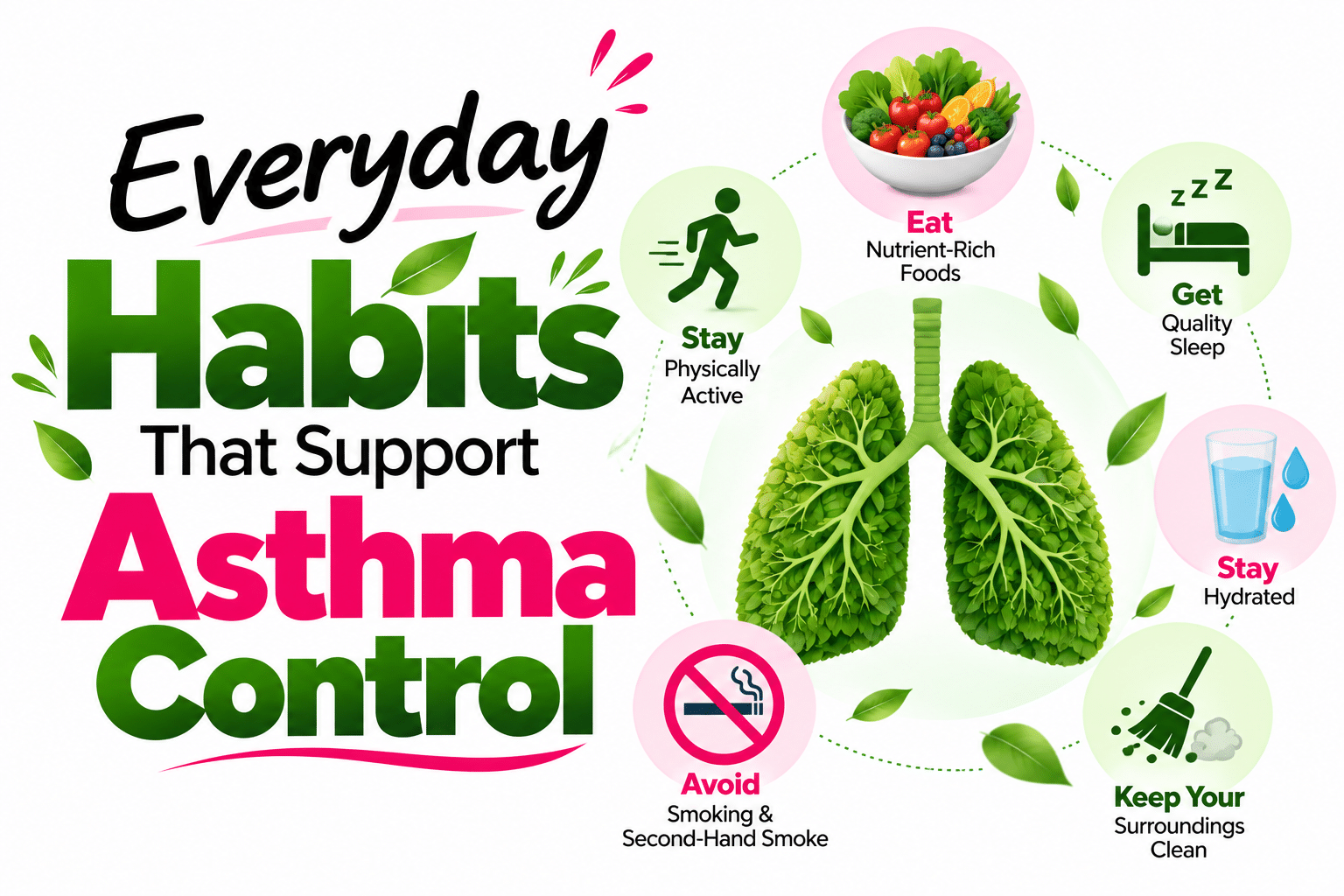
Along with prescribed treatment, practical lifestyle habits can help people reduce exposure to triggers and monitor their respiratory health.
1. Keep Indoor Spaces Clean
Reduce dust accumulation by cleaning surfaces regularly and washing bedding. Address dampness and mold where possible. If dust mites trigger symptoms, ask a healthcare professional about suitable measures to reduce exposure.
2. Avoid Smoke and Strong Irritants
Tobacco smoke, including secondhand smoke, can worsen asthma symptoms. Avoid smoking and smoky environments. Check air quality reports when pollution levels are high and follow medical advice about outdoor activities.
3. Follow Your Prescribed Medication Routine
Use prescribed inhalers exactly as directed. Ask your doctor or pharmacist to demonstrate the correct inhaler technique. Poor technique can prevent medication from reaching the lungs effectively.
4. Maintain Healthy Daily Habits
Regular physical activity, balanced meals, sufficient sleep, and stress management support general well-being. People with exercise-related symptoms should ask their doctor how to exercise safely rather than avoiding all physical activity.
5. Monitor Symptoms
Notice changes in coughing, wheezing, nighttime waking, or the need for quick-relief medication. Follow your written asthma action plan and attend scheduled medical appointments.
Choosing the Right Homeopathy Clinic in Hyderabad
When searching for the best homeopathy in Hyderabad, patients should prioritize transparent communication, qualified practitioners, and responsible healthcare guidance. A good consultation should include a discussion of symptoms, existing diagnoses, prescribed medicines, and the limits of complementary treatments.
People researching the best homeopathy doctor in Hyderabad should verify professional qualifications and avoid promises of guaranteed cures. Asthma requires evidence-based medical supervision, and no complementary treatment should delay urgent care.
Dr. Anki Reddy’s Homeopathy is one option people may research when exploring homeopathic consultations. Before beginning any complementary approach, discuss your plans with your respiratory specialist and confirm that your established asthma treatment will continue.
When Should You Seek Emergency Help?
Severe asthma attacks can be life-threatening. Seek emergency medical assistance if breathing becomes extremely difficult, prescribed quick-relief medicine does not help according to your action plan, speaking becomes difficult because of breathlessness, or the lips appear blue or grey.
Do not wait for a complementary treatment or home remedy to work during an asthma emergency. Follow your emergency instructions and obtain immediate medical care.
Conclusion
An effective asthma control plan combines prescribed medication, trigger management, symptom monitoring, and regular medical reviews. These steps help patients recognize worsening symptoms and respond appropriately.
Although some people explore homeopathy for asthma as a complementary option, scientific evidence does not establish that it controls asthma or prevents attacks. It must never replace proven treatment. Work with a qualified healthcare professional to create a personalized plan, use inhalers correctly, and seek urgent help when warning signs appear. With informed decisions and consistent medical care, people with asthma can take practical steps toward safer breathing and improved daily well-being.






There are no comments