
Allergic Rhinitis Treatment Without Side Effects!
Introduction
Allergic rhinitis is a common condition that affects the nose and respiratory comfort. It occurs when the immune system reacts to allergens such as dust, pollen, mould, or pet dander. People with this condition may experience repeated sneezing, a runny nose, nasal congestion, and itchy eyes. These symptoms can interfere with sleep, work, studies, and everyday activities.
Finding the right treatment starts with understanding the triggers and choosing appropriate medical care. Many people explore homeopathy as a complementary healthcare option. Those searching for the best Homeopathy in Hyderabad should understand the available approaches and consult a qualified healthcare professional for personalised advice.
What Is Allergic Rhinitis?
Allergic rhinitis, sometimes called hay fever, develops when the immune system overreacts to substances that are usually harmless. When a person encounters an allergen, the body releases chemicals such as histamine, which contribute to inflammation and allergy symptoms.
The condition may occur seasonally, particularly during pollen exposure, or throughout the year because of indoor allergens. Identifying the cause can help people manage symptoms and reduce repeated exposure.
Common Symptoms of Allergic Rhinitis
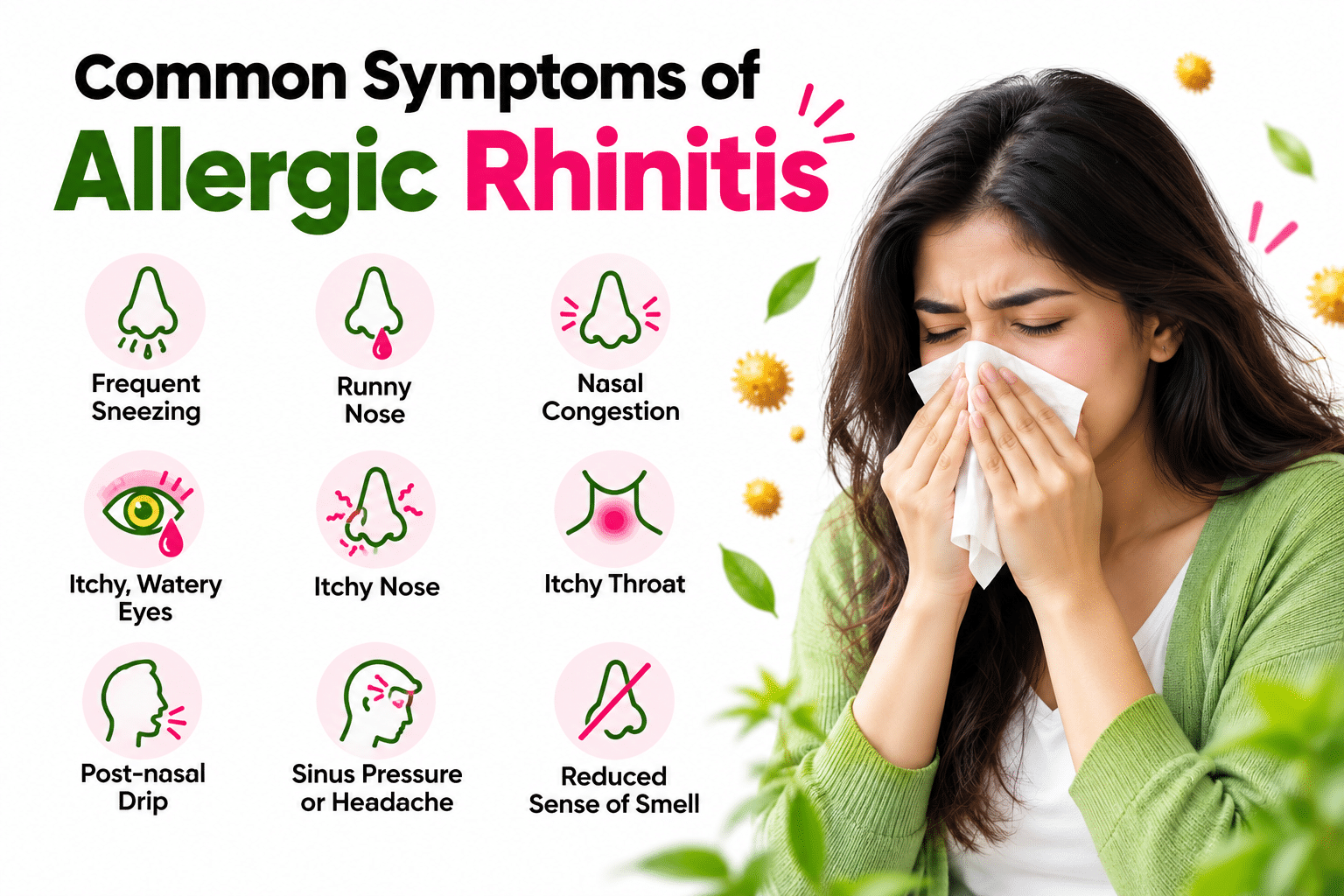
Recognising the symptoms early can help people seek suitable care. Common signs include:
- Frequent sneezing, especially in the morning.
- A watery or blocked nose.
- Itching in the nose, throat, or eyes.
- Watery, red, or irritated eyes.
- Postnasal drip and throat irritation.
- Reduced sleep quality and daytime tiredness.
- Difficulty concentrating because of persistent discomfort.
Symptoms vary from person to person. If nasal problems continue for several weeks, become severe, or affect daily life, medical evaluation is important to determine the cause and appropriate treatment.
What Triggers Allergic Rhinitis?
Several environmental factors can trigger allergic reactions. Common triggers include pollen from trees and grasses, household dust mites, mould spores, and animal dander. Air pollution, smoke, and strong fragrances may also irritate the nose, even when they are not the underlying cause of an allergy.
Keeping a symptom diary can help identify patterns. Note when symptoms appear, where they occur, and whether they become worse after cleaning, spending time outdoors, or being around particular animals. This information can help a healthcare professional recommend suitable management strategies.
How Can Homeopathy Fit Into Allergy Care?
Homeopathy is an alternative healthcare system that some people consider for recurring allergic symptoms. A homeopathic practitioner may ask about symptom patterns, personal history, and individual concerns before discussing a treatment plan.
However, there is currently no reliable scientific evidence that homeopathy effectively treats allergic rhinitis. It should not replace evidence-based allergy care, prescribed medication, or emergency treatment. People exploring homeopathy treatment in Hyderabad should discuss their options openly with a qualified medical professional, especially when symptoms are persistent or severe.
The goal should be safe symptom management rather than promises of a permanent cure or treatment without side effects. Some products marketed as homeopathic may contain active ingredients, alcohol, or other substances that can cause unwanted effects or interact with medicines.
Practical Ways to Reduce Allergy Symptoms
Simple daily habits can reduce exposure to common triggers and support better comfort.
1. Keep indoor spaces clean: Wash bedding regularly, reduce dust accumulation, and use suitable cleaning methods to minimise airborne particles.
2. Monitor pollen levels: During high-pollen periods, keep windows closed when practical and shower after spending time outdoors.
3. Avoid smoke and strong fragrances: Cigarette smoke, incense, and strong perfumes may irritate sensitive nasal passages.
4. Consider saline nasal rinsing: Saline sprays or rinses may help remove allergens and mucus. Use sterile, distilled, or previously boiled and cooled water for nasal irrigation.
5. Maintain healthy routines: Adequate sleep, hydration, and regular physical activity can support general wellbeing, although they do not cure allergies.
6. Follow medical advice: A healthcare professional may recommend antihistamines, corticosteroid nasal sprays, or allergy testing depending on symptoms and individual needs.
Choosing the Right Homeopathy Clinic in Hyderabad
When researching the best Homeopathy in Hyderabad, look beyond advertisements and treatment promises. Choose a practitioner who explains the limitations of homeopathy, takes a detailed medical history, and encourages appropriate testing or referral when necessary.
Dr. Anki reddy’s Homeopathy is one option people may research when exploring homeopathic consultations. Before choosing any clinic, verify the practitioner’s qualifications, discuss your symptoms, ask about product ingredients, and understand the proposed treatment plan.
A responsible healthcare provider should never advise stopping prescribed medicines without consulting the prescribing clinician. People with asthma or significant breathing difficulties need particular care because uncontrolled allergies may worsen respiratory symptoms.
When Should You Seek Medical Advice?
Consult a doctor if symptoms persist, interfere with sleep, or do not improve with routine measures. Medical assessment can distinguish allergic rhinitis from sinus infections and other nasal conditions. Seek emergency assistance for severe breathing difficulty, throat swelling, or signs of a serious allergic reaction.
Conclusion
Allergic rhinitis can affect everyday comfort, but identifying triggers and following appropriate medical guidance can help manage symptoms. Homeopathy is sometimes explored as a complementary option, although strong scientific evidence supporting its effectiveness for allergic rhinitis is lacking.
For people considering the best Homeopathy in Hyderabad, informed decisions, qualified professional guidance, and realistic expectations are essential. Combining practical allergen-reduction habits with evidence-based care offers a safer approach to managing recurring nasal allergies and protecting long-term wellbeing.






There are no comments